
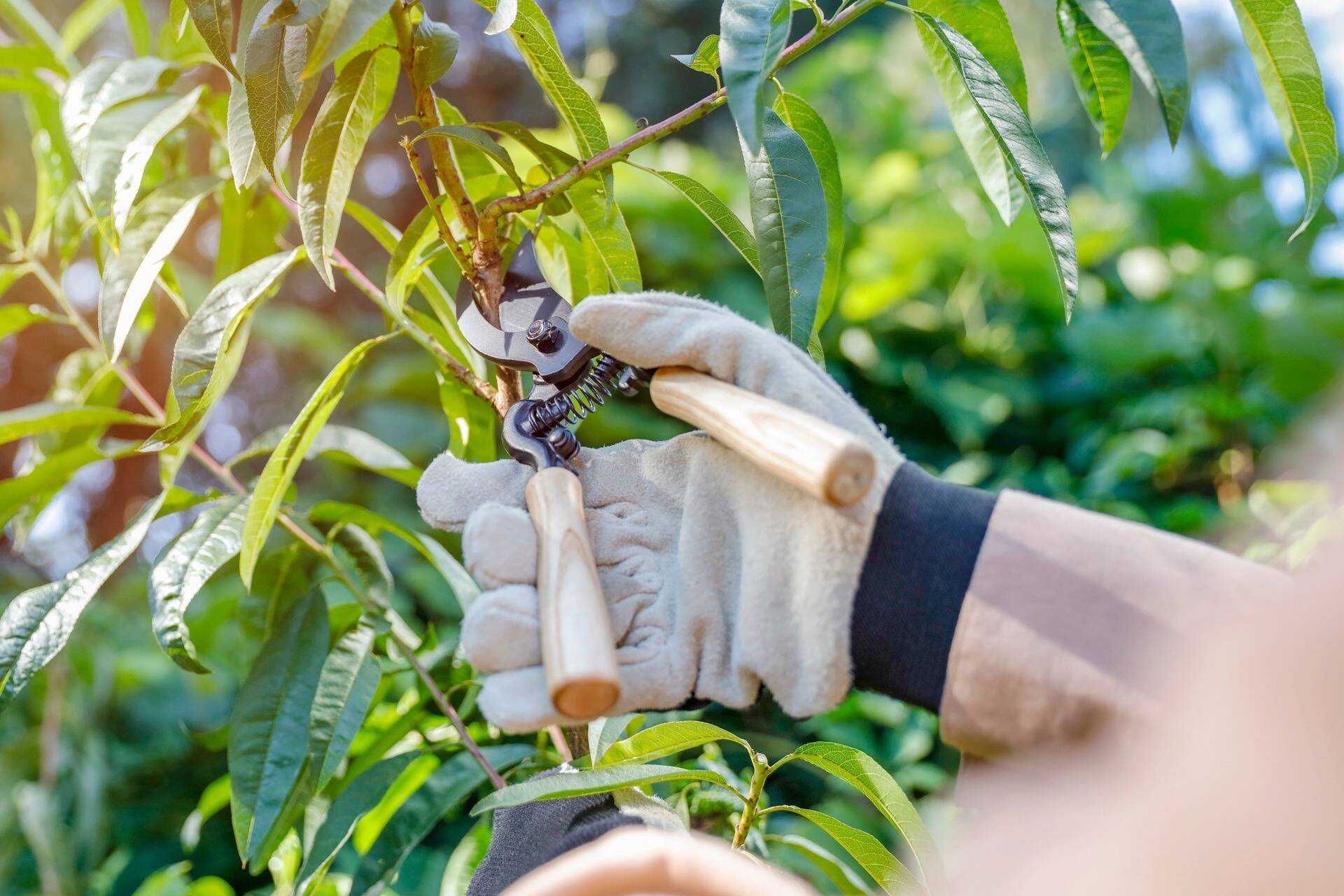
A mature tree can bring shade, privacy, wildlife and character to a garden. Over time, however, its canopy may become too large, dense or low for the surrounding space.
Branches might block light from windows, extend towards neighbouring properties or hang over driveways and footpaths. Although homeowners often know that their tree needs attention, identifying the correct type of pruning is more difficult.
Understanding the difference between crown reduction vs crown thinning, selective reduction and crown lifting trees can help you have a more informed conversation with a professional tree surgeon.
What Are the Main Types of Tree Pruning?
Professional tree pruning is not simply a matter of cutting branches until the tree looks smaller. Each method has a different objective and must consider the species, age, health and natural shape of the tree.
The main techniques include:
- Crown reduction
- Selective branch reduction
- Crown thinning
- Crown lifting
- Deadwood removal
- Formative pruning
An experienced arborist may recommend one method or combine several techniques to achieve a balanced and appropriate result.
Crown Reduction: Controlling the Tree’s Overall Size
Crown reduction decreases the height and spread of a tree’s canopy while retaining a natural shape.
Rather than cutting branches back to arbitrary points, the tree surgeon selects suitable growth points throughout the crown. This helps distribute the pruning evenly and avoids leaving an unnatural or heavily cut appearance.
Crown reduction may be suitable when:
- A tree has outgrown the available space
- Branches are approaching a building
- The canopy is extending too far over a neighbouring property
- The tree is placing excessive pressure on certain structural limbs
- More light is needed without removing the tree
- The overall size needs to be maintained
Parish Arboriculture describes crown reduction as a way to reduce and maintain the size of a tree’s crown while retaining its natural shape. It can also allow more light to reach the garden below.
The amount removed must be carefully judged. Excessive pruning can place the tree under stress and encourage weak, rapid regrowth.
Selective Reduction: Targeting One Problem Branch
Sometimes the whole tree is not the issue.
One overextended limb may be growing towards a roof, stretching above a road or creating an uneven canopy. In this situation, selective reduction may be more appropriate than reducing the entire crown.
The tree surgeon shortens the individual branch back to suitable secondary growth, helping to improve balance and clearance while minimising the amount of healthy material removed.
Parish Arboriculture uses selective reduction to address individual sections of a tree, particularly overextended limbs that have disrupted the crown’s shape.
This targeted approach can be especially valuable when the remaining canopy is healthy, well proportioned and suitable for its surroundings.
Crown Thinning: Reducing Density Within the Canopy
Crown thinning involves selectively removing smaller branches from throughout the canopy.
Unlike crown reduction, thinning should not significantly change the tree’s overall height or spread. Its purpose is to create a more open and evenly distributed crown.
Professional crown thinning may:
- Improve airflow through the canopy
- Allow more filtered light into the garden
- Reduce the density of crossing or crowded branches
- Remove weak or poorly positioned growth
- Reduce some of the wind resistance within the crown
- Improve the appearance of a congested tree
Thinning does not mean stripping out large sections from the centre of the canopy. Over-thinning can leave long, exposed branches with too much foliage concentrated at their ends, increasing stress and potentially making the structure less stable.
A qualified tree surgeon should remove a carefully selected proportion of growth while maintaining balanced foliage throughout the crown.
Crown Lifting: Creating Clearance Beneath the Tree
Crown lifting removes or shortens the tree’s lowest branches to increase the space beneath the canopy.
It is commonly used where branches obstruct:
- Footpaths
- Driveways
- Roads
- Garden seating areas
- Buildings and roofs
- Lawns or planting beds
- Views and sightlines
For homeowners researching crown lifting trees, it is important to understand that the technique affects the lower canopy rather than reducing the tree’s total height.
Crown lifting can make a garden feel more open and improve practical access beneath the tree. It may also allow more daylight to reach lawns and lower planting.
The work must still be proportionate. Removing too many large lower branches can create significant wounds and affect the tree’s natural stability. On mature trees, shortening selected branches may sometimes be safer than removing them completely.
Why Tree Topping Is Not Professional Pruning
Tree topping usually involves cutting major branches or the main stem back to unsuitable points, leaving blunt stubs and removing a large percentage of the crown.
Although this may make the tree appear smaller immediately, it is not the same as a professionally planned crown reduction.
Topping can:
- Destroy the tree’s natural form
- Create large wounds
- Increase vulnerability to decay
- Trigger dense and weak regrowth
- Reduce the tree’s energy reserves
- Create future safety and maintenance concerns
New shoots may grow quickly from around the cuts, but their attachment can be weaker than the original branches. The tree can therefore become more difficult and expensive to manage over time.
A professional reduction follows the existing branch structure and aims to retain a healthy, balanced framework.
Which Pruning Method Is Right for Your Tree?
The correct approach depends on more than the homeowner’s immediate goal.
A professional assessment should consider:
Tree Species
Different species respond differently to pruning. Some tolerate reduction relatively well, while others are more vulnerable to decay, excessive regrowth or stress.
The natural form of the species should also influence the shape and amount of work recommended.
Age and Condition
Young trees may benefit from formative pruning that prevents structural problems from developing. Older trees often require a more conservative approach because large cuts may not seal or recover as effectively.
Dead, damaged, diseased or decaying branches may need separate attention before aesthetic pruning is considered.
Time of Year
The most appropriate pruning season varies between species and objectives. Wildlife must also be considered, particularly during the bird-nesting season.
Surrounding Buildings and Access
The proximity of houses, garages, roads, power lines and neighbouring gardens may affect both the recommended pruning and the equipment needed to complete it safely.
The Homeowner’s Main Concern
Your objective should be clearly explained during the survey.
Do you want to reduce the overall size, improve light, clear a pathway or deal with one overextended limb? The answer helps the arborist recommend the least invasive method capable of achieving the desired result.
Do You Need Permission to Prune a Tree?
Before arranging any pruning, check whether the tree is legally protected.
A Tree Preservation Order can protect an individual tree, a group or an area of woodland. In most circumstances, consent from the local planning authority is required before carrying out pruning, topping, lopping or removal work on a protected tree.
Trees within conservation areas may also be protected. In England, property owners generally need to give the local authority six weeks’ written notice before carrying out relevant work, giving the council time to decide whether a Tree Preservation Order should be created.
Planning conditions attached to a development may provide additional protection.
A reputable tree-surgery company can check the tree’s status and help prepare a clear application or notice describing the proposed pruning.
Why a Professional Tree Assessment Matters
It is difficult to assess tree structure accurately from ground level.
A qualified tree surgeon can examine the branch unions, canopy balance, signs of decay and relationship between the tree and its surroundings. They can then determine whether crown reduction, thinning, lifting or selective pruning is appropriate.
Professional work should also consider:
- Safe climbing and access
- Controlled lowering of branches
- Protection of buildings and planting
- Suitable pruning points
- Waste removal
- Long-term tree health
- Relevant permissions
- British Standards and accepted arboricultural practice
Parish Arboriculture provides professional tree surgery and hedge management for domestic and commercial clients throughout South West London and Surrey. Its services include crown reductions, selective reductions, pruning, tree removal and ongoing tree maintenance.
The company has developed a team with decades of combined arboricultural experience, helping property owners manage trees safely while maintaining their health and natural appearance.
Arrange Professional Tree Pruning in Surrey
Crown reduction, thinning and lifting are not interchangeable services. Each technique solves a different problem, and choosing the wrong approach could harm the tree or fail to deliver the result you expected.
Contact Parish Arboriculture to arrange a professional tree assessment in Surrey or South West London. Its experienced tree surgeons can inspect your tree, explain the most suitable pruning options and provide a clear quotation for safe, carefully planned work.


